
 English
Ordering a replacement automation module starts with identifying what is installed. A short description such as “PLC power supply” or “DCS I/O card” is useful for an initial search, but a purchasing request should include enough detail for the supplier and your engineering team to evaluate the exact item.
This guide helps maintenance and procurement teams source scarce and discontinued PLC and DCS spare parts, verify offered stock and prepare a clearer purchasing inquiry.
Start with the complete part number and a readable nameplate photo. Record revision details, confirm the required condition and document the delivery requirements before placing an order.
THE PROCUREMENT ROADMAP
From part number to an approved spare
IDENTIFY
Exact model & revision
VERIFY
Lifecycle & compatibility
SOURCE
Stock & supplier evidence
ACCEPT
Inspect & document
A practical workflow for scarce and discontinued PLC / DCS parts.
SECTION 01Why does the complete part number matter?
Use the complete manufacturer identifier rather than a shortened product-family name. Preserve suffixes, separators and option codes when transcribing the label. For example, Siemens’ Spares on Web guidance asks users to enter the complete product number to find associated spare and repair parts.
Include a clear photo alongside the typed number so that unclear characters can be checked. If the label is incomplete, mark the missing information as unconfirmed and ask your maintenance team to compare it with the equipment records.
SECTION 02What information should a spare-parts inquiry include?
Part identity
Manufacturer, complete part number, description and readable nameplate photo.
Installed system
Controller or system family, cabinet reference and the module’s role.
Revision details
Hardware revision and firmware version, where applicable and available.
Compatibility review
Applicable manufacturer documentation and your engineering team’s acceptance of any proposed alternative.
Condition and scope
Required condition, included connectors or accessories, and the documentation requested with the item.
Order and delivery
Quantity, delivery destination, required arrival date and supplier-confirmed availability.
SECTION 03How should you evaluate a proposed replacement?
Ask whether the quotation covers the exact requested item or an alternative. If an alternative is proposed, have your engineering team review the manufacturer’s applicable replacement instructions before accepting it. A matching appearance or similar description is not sufficient evidence of suitability.
Keep hardware, firmware and configuration requirements in the review. Siemens’ PCS 7 Service Support and Diagnostics manual, for example, provides system-specific procedures for updating and replacing hardware. Use the documentation for your own system; this checklist does not establish compatibility for any particular module.
SECTION 04How can procurement teams make quotations easier to compare?
Send the same item description and requirements to each supplier. Ask for written confirmation of the offered part number, condition, quantity, included accessories, lead time and warranty or return terms. Distinguish the proposed dispatch date from the expected arrival date at your facility.
Keep the accepted quotation, item photos and engineering review together with the purchase record. For recurring needs, maintain a spare-parts list that records installed quantities, available spares and the date availability was last checked.
SECTION 05How can you confirm that a part is discontinued?
Treat a supplier's “out of stock” message as an availability update, not proof that a manufacturer has discontinued the product. Search the manufacturer's lifecycle notice using the complete part number, and record the notice date, last-order deadline, repair support and any named successor. Different product families can follow different support policies.
ABB's Life Cycle Parts Services brochure, for example, distinguishes product last-buy and spare-part last-buy notices. Check the notice applicable to your exact equipment; a general lifecycle diagram does not establish the status of an individual module.
SECTION 06Where should you look for scarce or obsolete automation parts?
A catalogue listing is a starting point for an inquiry. Confirm the offered quantity and dispatch readiness in writing before relying on it for a shutdown plan.
SECTION 07What evidence should you request for surplus or refurbished stock?
Ask the supplier to define the offered condition: unused surplus, previously installed, repaired or refurbished. Terms such as “new old stock” and “tested” need supporting detail. Request available storage history, packaging condition, label photos, included accessories and any repair history.
- Item-specific photos: compare the complete label, connectors and visible condition with the quotation. Stock photos do not identify the unit being offered.
- Traceability: ask what sourcing records can be provided and whether serial or batch details can be matched to the delivery documents.
- Test scope: request the test date, item identifier, functions checked, results and limitations. A power-on check alone does not demonstrate every I/O channel or communication function.
- Acceptance and remedies: agree on the inspection period, mismatch reporting process and applicable return or warranty terms before ordering.
Photos and paperwork support a purchasing review but do not independently prove authenticity or compatibility. Resolve conflicting labels, unclear condition descriptions and unsupported substitution claims before approving the purchase.
SECTION 08Should you source an exact spare, repair the unit or migrate?
An exact spare is worth evaluating when retaining the installed design is important and a suitable unit can be documented. Confirm revision and configuration requirements even when the main part number matches.
Repair or exchange may be considered when a service provider can define the repair scope, test coverage, turnaround and warranty. Check exchange conditions, including whether the failed unit must be returned.
A successor or migration needs an engineering assessment of hardware, software, wiring, commissioning time and future support. Compare the total implementation cost with continued legacy sourcing rather than judging only the module price.
For an illustrative case, a plant may need an obsolete I/O module during a planned shutdown. Procurement can seek the exact unit while engineering checks a documented successor and a repair option. The final choice should reflect verified availability, acceptance requirements and the approved outage window.
SECTION 09What should happen before dispatch and after delivery?
Before dispatch, reconcile the offered part number, revision, quantity and accessories with the accepted quotation. Agree on suitable protective packaging and obtain the dispatch schedule and shipping documents. Allow for transport and destination clearance when evaluating the required arrival date.
On arrival, record packaging damage, inspect labels and quantities, and compare supplied documents with the purchase order. Hold mismatched or unverified items for review. Have qualified personnel perform acceptance checks under the manufacturer's instructions and site procedures before releasing the spare for service.
Record the installed part number and revision, approved replacements, lifecycle source and review date, verified spare quantity, replenishment lead time and responsible engineer. Prioritize stock decisions using operational criticality, repair options and the planned remaining service life.
SECTION 10Frequently Asked Questions
Can I request a quotation with only a photo?
A readable photo can support initial identification. Include the typed part number and quantity whenever possible, and resolve unclear label details before confirming the order.
Should I accept a different part number?
Only after your engineering team has reviewed the proposed item against the applicable manufacturer documentation and your installed system requirements. Ask the supplier to identify alternatives explicitly.
What should I include in an urgent inquiry?
Provide the complete part number, quantity, nameplate photo, delivery destination and required arrival date. Request confirmation of current availability and the proposed dispatch schedule.
Does discontinued mean that no replacement stock exists?
No. A discontinued product may still be offered from remaining stock or through repair and exchange channels. Confirm the manufacturer's applicable support status separately from each supplier's current availability.
Is unused surplus automatically ready to install?
No. Request available condition and storage information, then arrange the applicable receiving and acceptance checks. Unused condition does not by itself establish compatibility or readiness for your system.
How many obsolete spare modules should we keep?
There is no universal quantity. Review installed population, failure history, production impact, replenishment time, repair options and the planned migration date. Include storage and periodic inspection requirements in the inventory decision.
SECTION 11Related Resources
6 PRODUCTS · Swipe or scroll horizontally to explore →
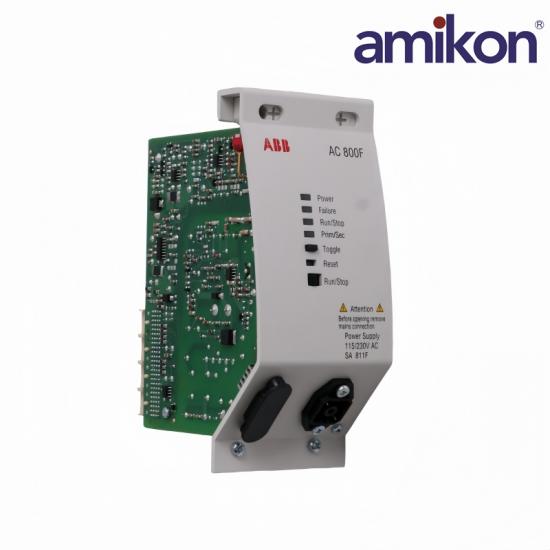
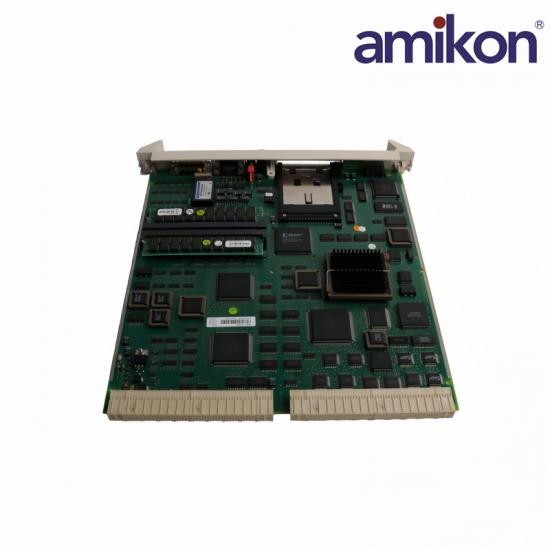

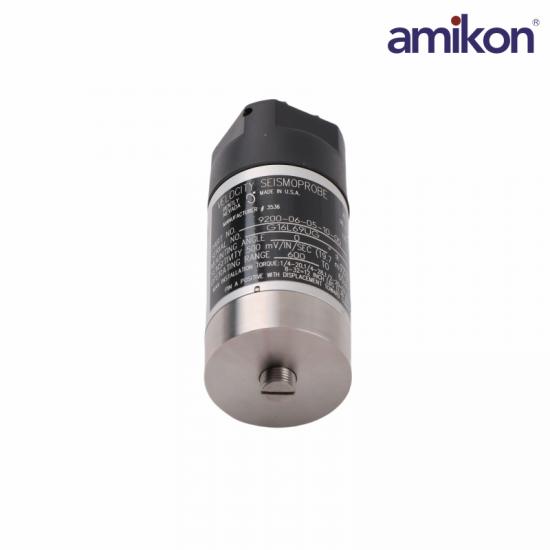
Explore examples from the Amikon catalogue. Confirm lifecycle status, compatibility and current availability for the exact part required.
Amikon is an independent supplier and is not an authorized distributor of the manufacturers referenced. Product names and trademarks belong to their respective owners.


 IPv6 network supported
